More at Organ Pipe Cactus National Monument

After a couple of days staying 30 miles north of the park in Ajo we move to the campground in the National Monument where we are booked for three nights. The campground is one of the nicest campgrounds we’ve stayed at anywhere in the US or Canada. The sites are private with a good distance between them.

For the next few days we enjoy morning hikes but need to lay low in the afternoon due to the blazing sun and the warm temperatures. It’s not an overwhelming heat it is more that we are not acclimated to it yet. We fill in the low hiking time with a couple of long one way loop drives within the park. One is 21 miles and plenty of views while the other is twice as long. The negative part of the longer loop is a section of it parallels the US/Mexican Border and the border wall is under construction there. They bulldozed a wide straight line in this beautiful desert wiping out the natural vegetation. Huge number of Saguaro and Organ Pipe Cactus. Many well over a hundred years old.

For two sunsets while at the campground Wells attempts sunset photos. First try is a bust. There were a couple of high cirrus clouds but not enough to bring out any color. One approach to capturing colorful sunsets includes having high clouds in the western view along with clear skies further to the west. This allows the sun once set to light up the high clouds from underneath thus presenting dazzling colors. So the first thing needed is the right cloud configuration. The second task is to be ready for the display to show. Many watch the sun set and pack up and leaving. It’s not until well after Organ Pipe Cactus National Monument Sunset 1the sun is below the horizon that things can really happen.

Sunset on the second day had clouds but it seemed as if there was no sun to light up the cloud bottoms. Wells waited and waited and as he was about to give up the sun lite up the clouds for a brief minute or two. It is a fleeting opportunity but still captured.

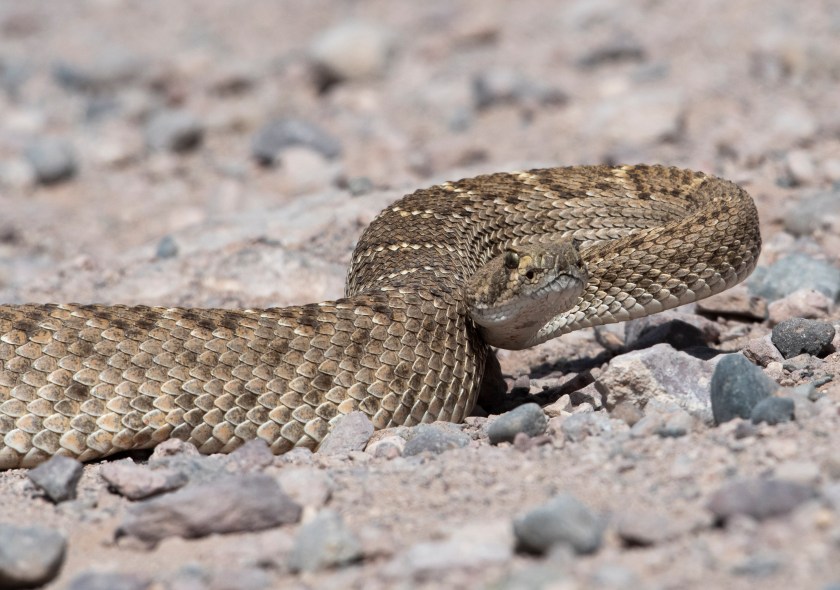
We complete our last hike in the park and on returning on the gravel road we come across a Rattlesnake. He is not happy to see us but we managed to snap a few photos. On Wells’ Facebook page he posted one photo of the snake with it’s forked tongue out. Wells captured maybe another 25 without the tongue. We share it here.Rattlesnake 2


Pipe Organ Cactus National Monument

We have an easy day of driving to Deming, NM. It’s here where a year ago we met up with our friends we met in Valdez, Alaska a bit under two years ago. Anna, who lives in Deming, and Scott and Dawn, from Wisconsin but have been full timing in their RV for a number of years now. This time we are only going to see Anna yet keep our distance. The day of our arrival is the first day of no seating in restaurants but take out is okay. We call our order into Anna who calls the Adobe Deli outside of Deming. She then picks it up and the three of us enjoy a good meal and catching up. Oh, if you are in the Deming area do have a meal at the Adobe Deli. It’s a bit different.

The next day we push on from Deming avoiding Interstates as much as possible. We did travel about 20 miles on them and we could finally get off. We headed west and south to Bisbee, AZ where we explore this old copper mining town turned artisan mecca. The old storefronts and homes are interesting so we spend a bit of time there including a takeout lunch. We find picnic tables in a downtown park and enjoy lunch. We push on looking for a place to call home for the night. We pull into a RV resort in Hauchaua, NM only to find the office closed. They maintain shorter hours now and close up at 3 and now it’s after 4. We head out towards the highway when a camp host catches us and welcomes us. It’s a quiet place with showers which we totally enjoy. The next morning, we are on our way once again.

Our destination for today is Pipe Organ Cactus National Monument in the southwestern part of Arizona. This requires us to travel through Tuscon where we have friends. We elect to not stop and visit.

The pandemic hitting the world has turned all upside down. It impacts all of us and current information and current best practices are evolving. A couple of days ago we went in a market and saw two individuals wearing masks. Now we see all cashiers have gloves. Most supermarkets have a good supply of most things but where’s the Charmin. As the news comes in we hear of park closures and great restrictions. California is closed, New York and others follow. State Parks are closing to camping and some National Parks are doing the same. Now we see some private campgrounds closing as well. On the road we feel safe. We are more isolated from others then most people in the USA. The social distancing while hiking or photographing is easy. Places we go are not at all crowded. As places close we continue to assess is it time to pull the plug on this trip and head home or do we continue? Heading home presents issues of where to sleep each night. The RV community includes many full timers. They don’t “live” anywhere but home is where their RV is parked. As long as there is a safe place to park, have a place to get potable water and dump stations to deposit wastewater things are generally okay. With places to camp closing it creates problems. If we decide to head home it will take a full week of travel. We need a place to dump and take on fresh water. Fuel is not an issue since we now use gloves when fueling. For the time being we are electing to stay with our camper and enjoy the beautiful outdoors.

We are booked for two nights at a RV Park in Ajo, NM about 30 miles north of Pipe Organ Cactus National Monument. It’s important to close any door you open since Javelinas frequent the park. Wells runs into eight of them on his way to a shower. Here we assess what is there to do in the National Monument. There’s a campground that is still open. The Visitor Center is closed and there are no Ranger lead programs. Somehow, Marsha is surviving but she does miss the programs. Once we see the park we realize there is lots to do here with hiking and photography so we make reservations for three days in the National Monument campground.


More in New Mexico

Overnight there’s a bit of rain but we awaken to cloudy skies. We move to an electric site today at the same place. Last night was just a parking spot. The space we are moving to is currently occupied so we do chores around the camper in the morning. Wells works on the camper heater which has a sail switch that is giving us issues. Midday we can move into the new spot and now it’s time to head out and have fun as the rain begins.

Driving the few miles to White Sands National Monument and it raining a bit harder. With the wind we need to bundle up topped with raingear. The Visitor Center is closed but the park is fully open. Starting today the National Park Service is waiving all entry fees so people can get out and enjoy the out of doors. There are only a few dozen cars and trucks in the park as we drive the loop among the bright white sand dunes. We opt for a couple of short walks, first along a boardwalk into the dunes then a Nature Trail. Marsha falls into her element reading each and every interpretive sign. At the end she gives a review on how well they did and who is the target demographic. Wells gets in a bit of photography but it is tough with the wind and rain.

After our walk we are both cold and wet. Everything is wet. We head to town and gather a few supplies. Wells picks up a pair of gloves to use when fueling the truck. We stop at a place with a huge replica of a pistachio. To believe the signage it is the world’s largest pistachio. Of course we took a couple of photos. Not much bandwidth here so hopefully we’ll remember to upload one of them later.

Dinner consists of hot veggie soup clearing out much of our assortment of veggies. This helps with warming us up for the evening as we hit the hay early.

In the morning the rain stops and the clear skies allow the temperature to drop. The trailer has cooled to an even 50 degrees so we turn on the heat which thanks to yesterday works well. It takes hardly anytime to heat our trailer. Next we pack our rig and head to our next stop, Deming, New Mexico.

Texas and into New Mexico

Hoping to spend time at Guadalope National Park we prepare for a long travel day staying on the smaller roads where the speed limit is in the 70 – 75 mph range and not the Interstates where it’s 80 mph. Traveling along on the faster roads is a balancing act where we don’t wish to slow traffic down where they then pass at almost anytime no matter if passing is permitted or not and us traveling at a relaxing pace. Therefore, we keep our speed in the lower 60’s. With luck most of the roads we travel have little traffic, but the traffic that is there moves right along. The day is spent on these unpopulated highways until we reach the Permian Basin where there is a oil boom underway. It’s the land of fleet white trucks and heavy equipment carrying big trucks. Here the driving is not as relaxing.

Only our last five miles to Monohans Sand Hills State Park is on the Interstate. The State Park is an oasis of sand dunes near an oil boom town. Camped for the night at a location that makes Guadalope National Park a doable drive tomorrow we settle in the for evening enjoying walking around the campground and capturing photographs. Oh and the most important task of keeping as much sand as possible out of the camper. This is no easy task.

The next day we finally drive out of the oil fields and arrive at the national park to find it so crowded there is no room for us to even park and check out the Visitor Center. Add to this the campground is full. We decide to head north towards Carlsbad Caverns National Park. We check it out and decide to plan to explore the caves tomorrow. Now it’s on to Carlsbad, NM for gas then to find a campsite. It takes a while to find a campground that has space but we end up at a free camping location close to the park. It’s a BLM Campground with no amenities other than a big gravel lot to park where there are maybe 25 campers. We meet people from Texas, Syracuse, Vermont, Albany, and other places. Of course we are keeping our social distancing but we all feel safe. In fact most feel safer in their campers than if they were elsewhere.

Carlsbad Caverns National Park

In the morning we head to the Visitor Center and purchase our tickets. The guided ranger lead tours are books ahead for several days but here is the only National Park where one is allowed to enter the caves without a guide. We sign up and since we are seniors the ticket cost is free. First decision, walk the half mile to the natural cave entrance or take the elevator down 700 feet to the caves directly under the Visitor Center. We opt for the natural entrance. We pass by the bat viewing arena where thousands of Brazilian  Freetailed Bats exit the caves each evening all summer long. It’s too early in the season so the bats are not here yet. The entire trail into the caves is a four foot wide blacktop trail sloping downward almost the entire way until we reach the elevators to exit at the end of the walk. It’s early in the day and we encounter only a few other people. It’s a special journey throughout the caves along this trail. There is enough light to see features and walk the trail but that’s about it. Wells spends time photographing and hopefully will be shared online here. All total from the Visitor Center to the Natural Entrance and back to the elevators is close to two miles.

It’s time to continue our travels westward. Well, in order to head westward we first must go north. Traveling  the twenty miles north to Carlsbad, NM we enjoy a meal at a small café. After another 30 miles north along flat flat roads we turn west. Here we are at roughly 4,000 feet in elevation and the temperature is 71 degrees. 80 miles to the west the road peaks at 8,650 feet in the community of Cloudcroft, NM. We take guesses of what the temperature will drop to from our pleasant 71 degrees. Between us our guesses are 58 and 51 where we are not even close. As we climbed rain begins and we wonder if we’ll see snow falling. There’s snow in patches near the road but none falls. The temperature in Cloudcroft drops to 40 as we then head down the mountains to a comfortable 68. We locate a RV park where we pull in for a two day stay.

On to Texas

After breaking camp we continue south along the Natchez Trace Parkway for another 200 miles. The Natchez Trace is a beautiful and relaxing ribbon of land more than 400 miles long that is a joy to traverse. This is unlike the Kaintucks that walked it’s length in the early 1800’s returning home to Kentucky. These mostly farmers would build a flat bottom boat to transport their agricultural good to New Orleans and Natchez along the Mississippi. The boats, unable to travel upstream, were sold and farmers walked home.

It was a refreshing respite from interstate highways. From Natchez, Mississippi, we head west crossing the mighty Mississippi River along one of the few none interstate river crossing paths and enter Louisiana. We spot a few interesting birds including white pelicans, great blue herons, and many vultures. As for road kill, skunks are at the top of the list followed by armadillos We stop for the evening at a quiet RV park.

In the morning we continue west along two lane roads. In Louisiana there is lots for water in the form of bayous, ponds, lakes, swamps, and puddles. We cross a dammed up section of the Sabine River and enter Texas.

The highway speed limits jump. Along roads that in New York State would be 55 mph are 75 mph. Roads that are equivalent to our county roads are posted at 65 mph. From Tennessee until Texas gas prices have ranged from $1.89 to $2.21 which is a far cry from our trip to Eastern Canada this past summer.

We stop at Meridian State Park near Waco, Texas. Our plans include heading west along two lane roads as much as possible.

The Natchez Trace Parkway

We are off and running. We normally stay off of Interstates but with our need to get south without hitting freezing temperatures our first two days were long miles and Interstates. Our second night was a few miles Knoxville, TN. With most campgrounds open we did not pick and chose where to stay rather it was the first one we could find open past Knoxville. Situated right next to the Interstate we were thinking it would be a noisy night yet to our surprise it was quiet. Add to that modern and clean restrooms and a convenient site all was great.

The next morning we headed west along the Interstate to Nashville. Approaching Nashville we passed destruction from the Tornados that hit the area last week. This included many uprooted and felled trees, destroyed building, and hundreds upon hundreds of blue tarp covered homes and commercial buildings. There is much more work to do.

A few miles southwest of Nashville we got on the Natchez Trace Parkway, a 440 mile National Park that snakes through 3 states heading south and west with the southern part ending in Natchez, Mississippi. Once on the Trace we slow down and finally begin seeing the world beyond Gas, Food, Lodging.

That night we camped in a National Parkway campground. Our site was both secluded and calming. We are enjoying our escape from the northern March.

We spent the next day driving along the Trace Parkway at a delightful 40-50 mph frequently stopping to enjoy the sights. After 200 miles we found another National Parkway campground where we stopped making it an early day.

We Finally Get Off

Two days before our scheduled departure our heater in the trailer stops working. We mostly can use the trailer without it unless the temperature drops into the twenties. When connected to shore power our air conditioner has a mode to output heat. Since the trailer is small it does not take lots to heat the place. What is a concern is if the heat can keep our plumbing from freezing. The heater handles that well, but we are not as sure with the air conditioner.

After a few hours of work Wells determines we have a faulty sail switch or it is simply dirty. Blowing air clears the problem but we find out the next day the fix was only temporary.  The sail switch is buried in the fan housing and Wells cannot access it. We decide that we will live with issue but head south earlier so we don’t have the freezing issue.

Later that day our dear friend Laura Carey passed away after a short and difficult onset of cancer. Laura worked with Marsha at the Rogers Environmental Education Center for many years.

One day before our scheduled departure we encounter a problem with our water pump. After troubleshooting we resolved it and it’s back to par. Up until today it’s been too cold to de-winterize the trailer but today has temperatures in the mid-fifties and not too cold overnight so we turn on the water system. By dark all is ready but we have yet to pack the truck and the trailer. We hope to have that completed by 11 in the morning and be off. We did make it out before noon. Not sure were we will make it today, but we do decide to head west to Erie, PA then south. We pull into a campsite around 9, eat a quick meal and hit the hay.

Our Next Adventure

It’s a busy time preparing for our next adventure.  The first thing to work out is where to go. We knew we wanted to go south but that only narrows down the possibilities some. We discussed heading to the Southeast with coastal North Carolina then onto Georgia and the Gulf Coast or heading back to the Southwest where we headed last year. After much discussion we settled on the Southwest heading as-far west as Mono Lake and Death Valley.

With destination in mind we’ve begun our pre-trip tasks.  Over the Winter we considered upgrading our trailer electrical system by installing a couple of lithium batteries and a 2,000 watt inverter.  What we want is increasing our ability to be off the grid or in RV’ers words, Boondocking. Adding two lithium batteries would increase the available power four fold. Currently the battery supplies DC power to the trailer which is only useful to illuminate the lights, run the water pump, and power the USB outlets in the trailer. By adding the 2,000 watt inverter DC power is converted to AC power with the ability to power everything in the trailer other than the air conditioner. To power the air conditioner we would need to install a couple of more lithium batteries plus a 3,000 watt inverter.

We first got wind of lithium battery technology and associated inverters last summer camping in Labrador. We met a couple traveling in a van type RV. They invited us into their “home” for a glass of wine. They were neither plugged into shore power nor running a generator yet they prepared dinner using an instapot. This captured our interest thus our background research to consider us making the more. It’s not an inexpensive upgrade but worth exploring. The upfront cost of lithium batteries is great than lead acid batteries but there or other things to consider. Lead acid batteries weigh less than half of lithium batteries. Lead acid batteries can only be discharged to 50% of capacity before damaging the battery while lithium batteries can be discharged down to 20%. Lithium batteries can be recharged hundreds of times more than lead acid batteries. Lead acid batteries must remain upright and require maintenance while lithium batteries can even be mounted upside down. Furthermore they do not off-gas so they can be stored in the trailer. Most lithium batteries have a Battery Management System (BMS)as part of the battery. The BMS cuts off charging when the battery reaches full capacity and stops the battery from discharging once the battery reaches 20%. A good BMS fully protects the battery plus does not allow the battery to overheat. Battle Born batteries come with an outstanding BMS.

Wells researched what would be needed and potential suppliers and settled on Battle Born and company based in Sparks, NV who has an outstanding reputation for both service, components, and warrantee.  The RV industry is only now considering embracing lithium technology due to the upfront costs. Purchasing a system from Battle Born of 2 lithium batteries is roughly $1,000 each plus $1,500 for a 2,000 watt invertor plus installation. Installation is where we encountered. We could not locate a place that had the experience with Airstream trailers and Battle Born. We could do the work ourselves but where best to mount the batteries and the inverter are unknown to us. In the end we elected not to go with a new lithium electrical system.

We chose to purchase a “solar generator.” What the heck is a solar generator. It does not come with solar panels rather it is a portable lithium battery with a built in BMS and inverter. It supplies both AC and DC power from a 1500 watt battery packages in a case about the size of a sewing machine. We can change it from the truck, shore power, or our generator. This will allow us to power camera chargers and other AC things such as a fan. We have not ruled out a new battery system for the future but gives us baby steps towards one.

Meanwhile there are tasks to complete before getting on the road. This winter we’ve made some changes/improvements inside the trailer for storage plus replaced a shower head that was leaking. The trailer tire had a slow leak dropping from 65 psi over the course of a week or so. It was slow enough to make it difficult to troubleshoot. On a warm day we dug out the snow from around the trailer, jacked up the trailer and pulled the wheel. We realized it was time to replace tires so that got done.

Our F-150 Ford two vehicle has a drop hitch which drops enough that sometimes the hitch scrapes the ground. The hitch is adjusted so that the trailer is level. The drop hitch has a section that extends lower than necessary so we swapped out the drop part to drop less. After installing we discovered the trailer does not ride level so we put the old drop hitch back on. Everyday is another learning!

Soon we’ll need to plot out or route. The trailer is still winterized but we hope to de-winterize it before heading out. It’s weather dependent.

Photos

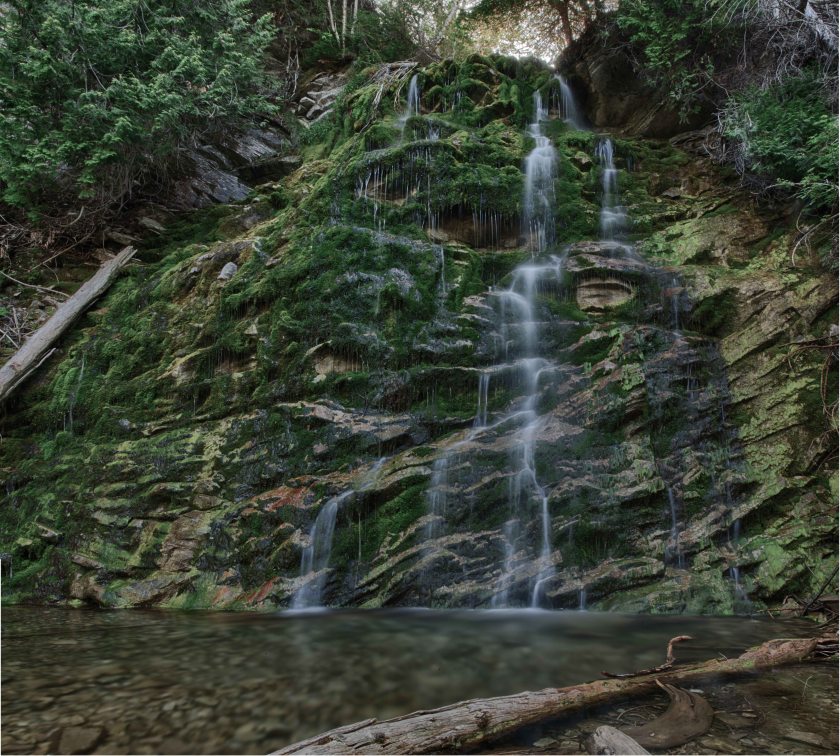
Merged La Chute Waterfall

La Chute Falls in Florillon National Park

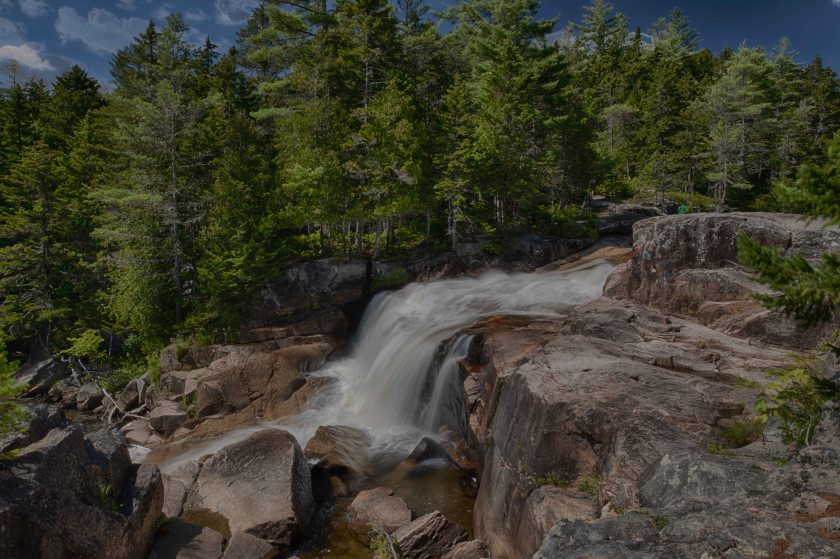
Big Niagara Falls in Baxter State Park 1
Baxter State Park, Maine – Big Niagara Falls
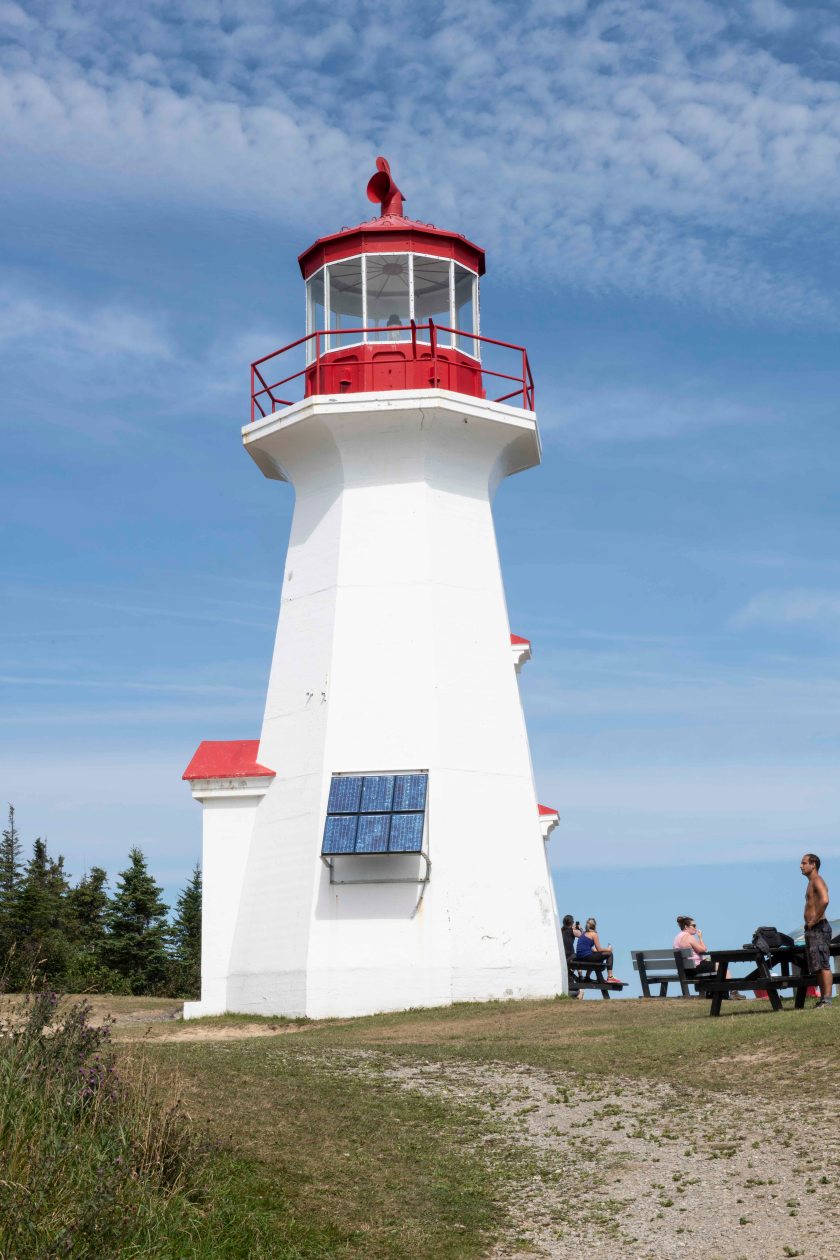
Lands End Lighthouse
Lands End Lighthouse at the east end of the Gaspe. It’s here the International Appalachian Trail ends at the sea  
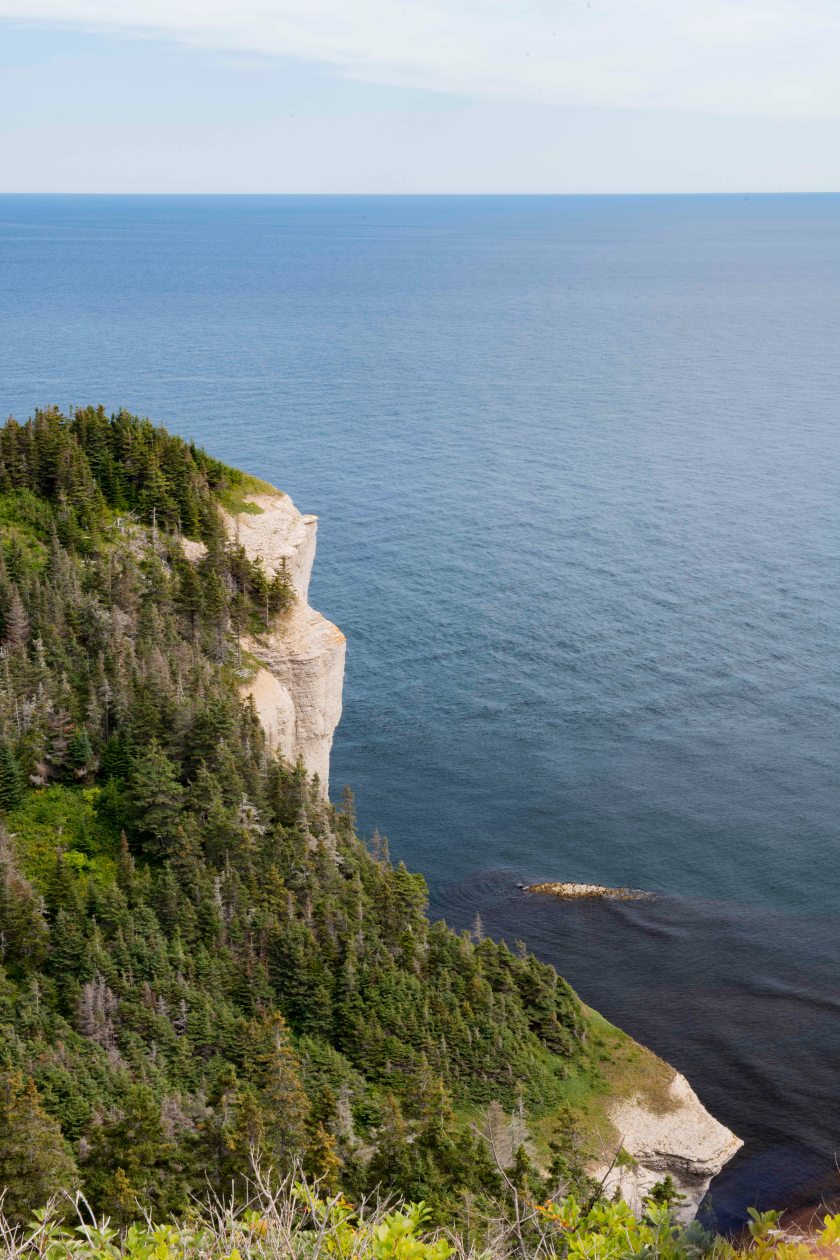
Lands End View
Lands End
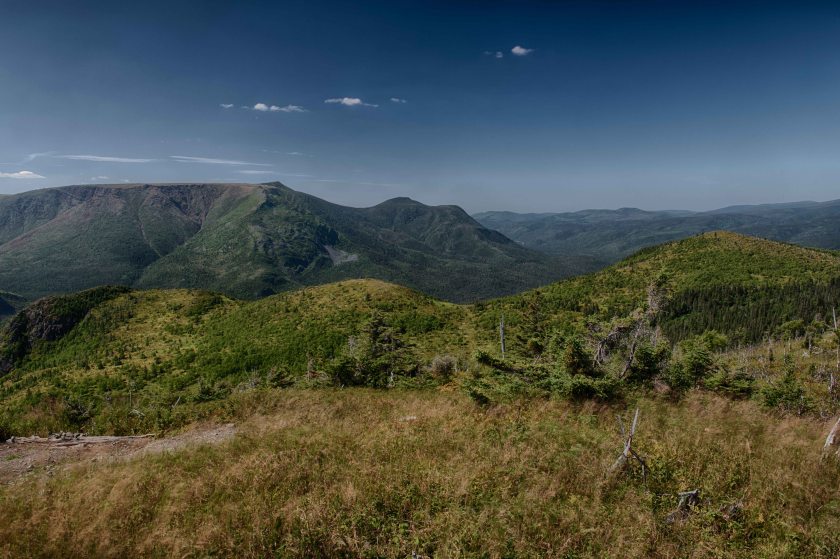
Mont LaMarsh
Mt. La Marsh – Gaspesie National Park
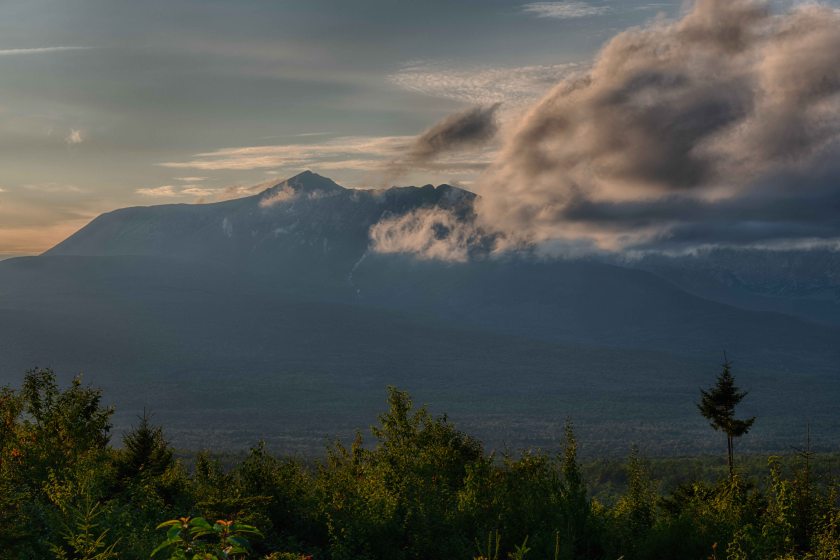
Mt Katahdin 2
Mt. Katahdin, Baxter State Park, Maine. Taken from the new National Monument near the State Park
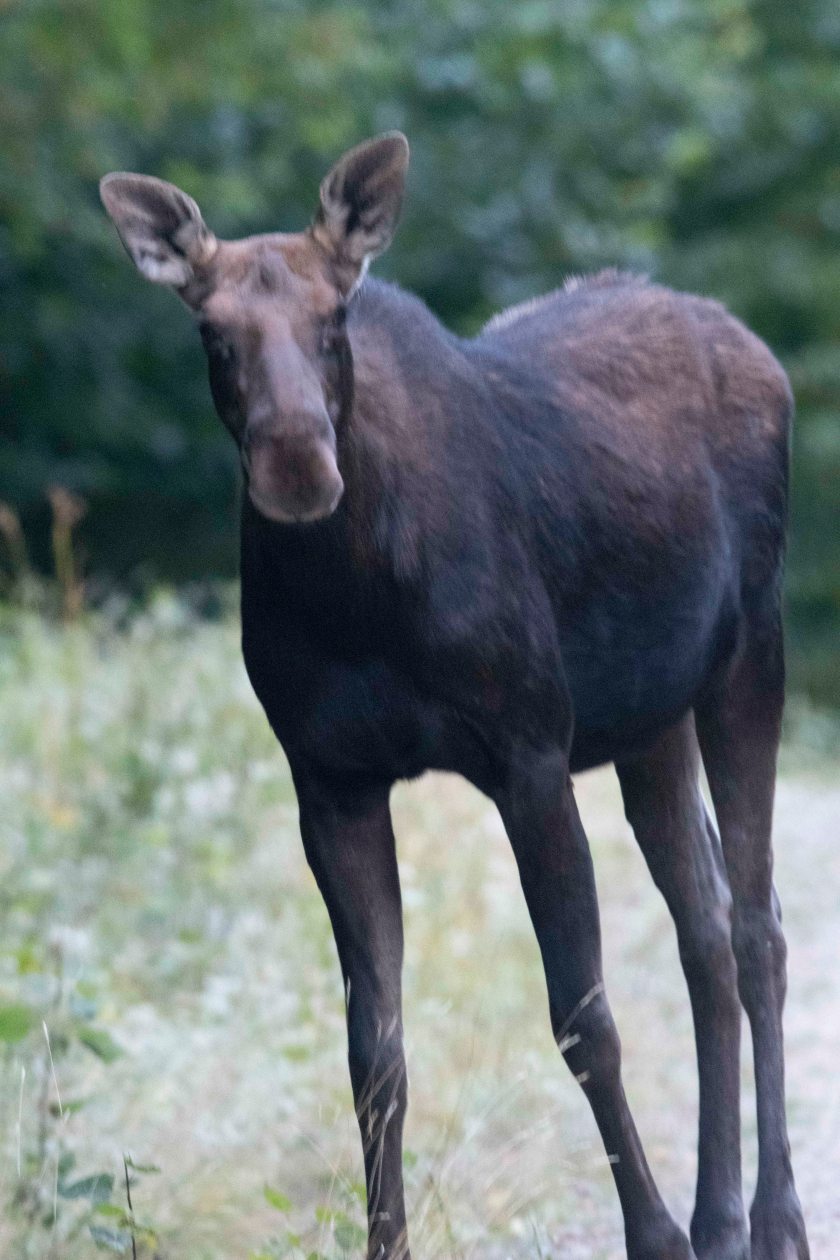
Moose 6
First Moose of this Trip


Tuesday September 3

Clouds but not rain greets us in the morning. It’s a good day for photographing waterfalls. We decide on a hike to Orin Falls, a level but somewhat lengthy hike. Before leaving the campsite we meet a father and daughter who have flown up to Maine from the Washington, DC area. They’re goal for today is to see a moose. Meanwhile, we have traveled through some of the most densely populated areas of moose for almost two months and we have yet to see one. Moose tracks are all that we can list to date. Marsha’s goal for today is to see moose scat.

That gets Wells thinking about Moose Turd Pie. It’s an old joke often centered around the Adirondacks or Maine Woods back in the day of lumberjack camps. The worst job at the camp was being cook. You needed to be up before everybody else to fix a huge breakfast and you were the last to go to bed at night. Well the cook is the cook until someone complains about the food. The person that complains becomes the cook. Well, this guy was cook for way too long and he was determined to pass the task onto another poor lumberjack. He’s out in the woods collecting food for supper and he happens upon a huge pile of moose turds and he gets thinking… moose turd pie. He can’t serve only dessert so he creates a spectacular dinner with all the fixing and the lumberjacks are raving about it. Now it’s time for dessert. He serves up large pie slices as the diners are salivating over this mysterious yet delicious looking pie. The first guy takes a huge bite and shouts out, “My god that’s Moose Turd Pie,” and as he is falling to the ground passing out from the experience he shouts out, “Good though!”

So our goal for today is to find moose scat. We head out to the trail head. The trail to the falls is part of the International Appalachian Trail which snakes it’s way from Baxter State Park to Lands End at the eastern end of the Gaspe. The trail is wide enough so we hike side by side. The red maple leaves on the ground are bright red tell us fall is approaching. It’s not long before we spot moose tracks but no scat.  We spot a couple of toads and frogs along the trail which we realize are the first amphibians we’ve seen on this trip. Next we find a snake skin and that is the first sign of any reptiles as well.  Still no scat.

Luck is with us and we stumble over a couple of large piles. Since we spotted them first we didn’t really stumble… We reach our goal for today! Soon we arrive at the falls, but they are more like rapids rather than falls. Wells breaks out his camera and captures what he can.

After a lunch at the falls we start the return hike. We run into the Father and Daughter team who tell us they spotted a Bull Moose that walked out of the woods in front of their car on the drive to the trail head. They reached their goal. It gets us thinking maybe we should have a stretch goal today of actually seeing a Moose.

We set out to drive the Katahdin Loop Road again. We realize it’s not the right time of day to see Moose but Wells wants to photograph the mountains from a few of the viewpoints. Yesterday the weather was such that we could not see anything afar but today at least there is a chance. We drive along this loop which takes at least an hour to complete but each view point has Katahdin hidden in clouds.

Arriving back at camp we decide to have an early supper then head out around 6 to have another go at spotting moose. We begin the loop at six and as we move along there is nothing. We reach the best viewpoint for seeing Katahdin and Wells breaks out the camera. There we meet a couple also from Washington, DC. We chat briefly and push onward looking for our stretch goal of seeing Moose. The couple is behind us by maybe a quarter mile. They also would love to see a Moose.

Light is diming as the sun gets lower in the sky. Therefore, it’s not good conditions for photographing Moose but good conditions for spotting them. Around the next bend there is a female Moose in the middle of the road. We stop and Wells attempts to capture some images in the fading light. The couple behind us stop and walk up to where we are parked in the middle of this one way one lane road. The Moose is assessing what we are and are we a danger or not. See looks at us as we look at her maybe 150 feet away. She goes back to browsing along the edge of the road as we watch. We learn the couple work for the National Park Service but are on a vacation exploring Maine. We talk for a quarter hour and the Moose is still ahead just slowly walking and eating along the road. It’s dark now so we say goodbye to Theresa and Matt and head down the road. There’s the Moose again still in the road. She spots us and moves with more purpose down the road in front of us. She keeps moving forward along the road and not into the woods as she slows our progress to a Moose saunter. Finally, she moves off into the woods and we continue on to the campsite arriving around 8.  Happy with having reached another goal.